A well-chosen piece of artwork can define an entire room. It introduces personality, reinforces the design character of the space, and gives the eye a destination. Even a thoughtfully furnished room can feel incomplete without something that commands attention first. Placement, scale, lighting, and the decisions made around the artwork all shape how effectively it fulfills that role. Let’s highlight how you can use artwork as a focal point in any room.
Start With the Right Piece
Not every piece in a collection needs to become the focal point. The strongest candidate carries visual impact, personal meaning, or scale that sets it apart from everything else in the room. A large oil painting above a fireplace naturally draws the eye. A vibrant abstract canvas can anchor a minimal living space just as effectively.
Scale alone does not determine visual weight. Rich color, dramatic composition, unusual texture, and a compelling subject all contribute. Even a modest painting can hold a room when the surrounding design supports it. Before finalizing placement, view the space from its primary entrances and seating areas. The focal artwork should feel like the natural destination without overwhelming everything around it.
Choose the Right Wall
Location matters as much as the artwork itself. The strongest focal points occupy walls that naturally attract attention. Above a fireplace, behind a sofa, at the end of a hallway, opposite the main entrance, over a dining room sideboard, and behind the headboard in a primary bedroom are all positions that give artwork room to establish visual authority.
Walls cluttered with windows, televisions, or multiple doorways divide attention rather than direct it. Where a room already has a strong architectural focal point, artwork should complement that feature rather than compete with it. A painting positioned in conversation with a fireplace or significant built-in reads as intentional. One positioned against it reads as an afterthought.
Give the Artwork Enough Space
Crowding undermines a focal point. Artwork benefits from visual breathing room, and large furniture, shelving, accessories, and architectural features all compete for attention when placed too close together. Open wall space around the piece allows viewers to appreciate its proportions without distraction.
Negative space is not empty space. It frames the work and amplifies its presence. Contemporary interiors benefit most visibly from this discipline, but traditional spaces also reward restraint. Allowing the focal piece to occupy its own visual territory is one of the most effective and underused tools in art display.
Match Scale to the Room
Scale is one of the most common reasons artwork either succeeds or disappears. A small painting on a large empty wall rarely reads as intentional. An oversized canvas in a compact sitting room can dominate rather than anchor.
Large walls benefit from substantial artwork or carefully composed gallery groupings. Medium walls pair well with one significant piece. Smaller spaces feel balanced with artwork that fits comfortably without pressing against surrounding furnishings. The relationship between artwork, furniture, and wall dimensions should feel considered rather than accidental. Large-scale pieces establish visual hierarchy immediately, which is why they create stronger focal points in most contexts.
Coordinate Color Without Overmatching
Artwork reads more convincingly as a focal point when its colors appear elsewhere in the room. That does not mean matching every shade precisely. Repeating select tones through textiles, ceramics, rugs, or upholstery creates harmony without making the room feel overly coordinated.
A painting featuring muted blues and warm earth tones might connect naturally with throw pillows or accent chairs that echo those same colors. The artwork remains the strongest visual statement. Too many competing accent colors nearby dilute that authority rather than reinforce it.
Let Lighting Complete the Presentation
Placement, scale, and color all matter. Lighting determines whether any of it is actually seen. Artwork can appear flat or lifeless under general room illumination regardless of its quality, because ceiling fixtures and ambient sources were not designed for the precision that art display requires.
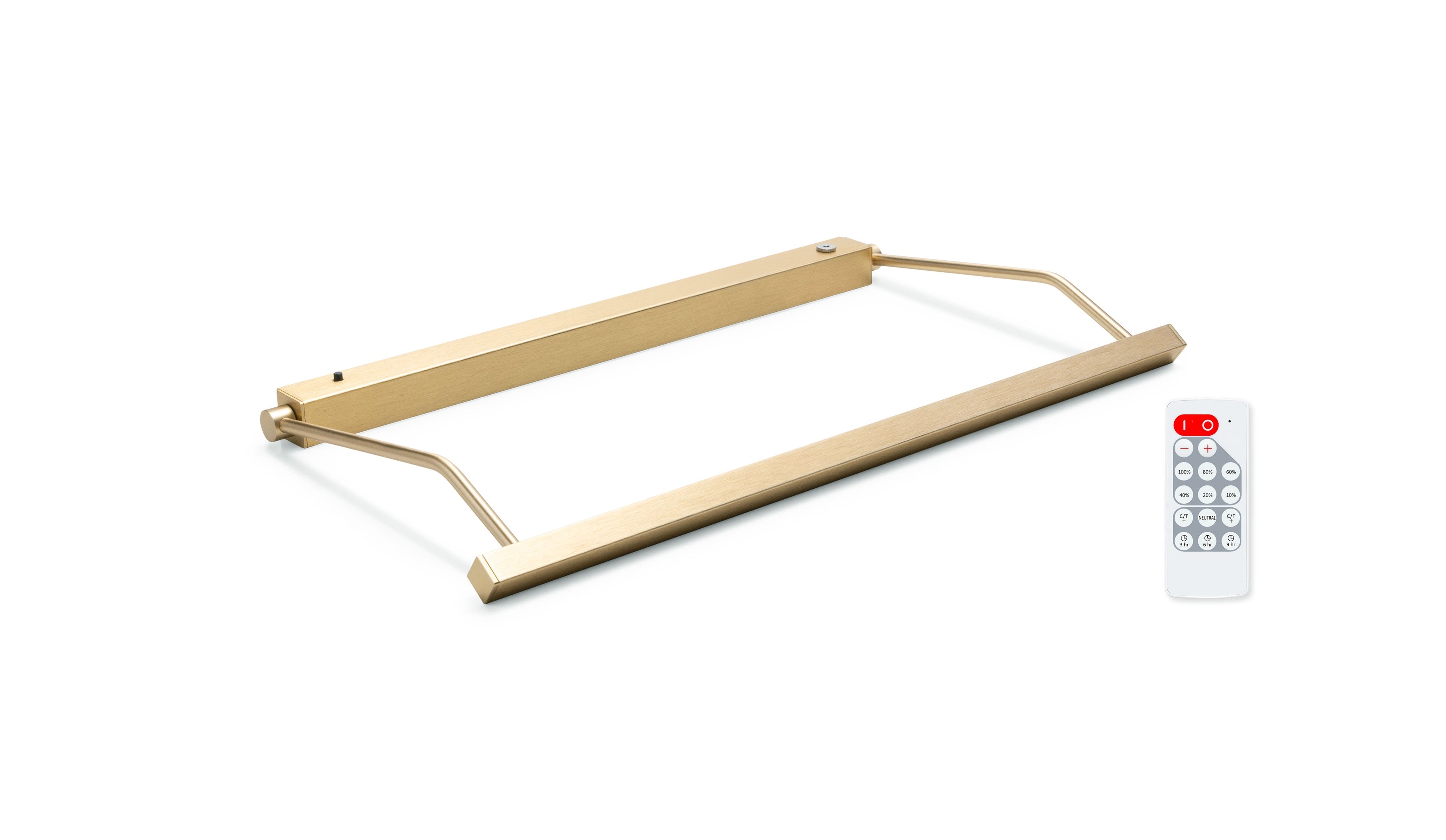
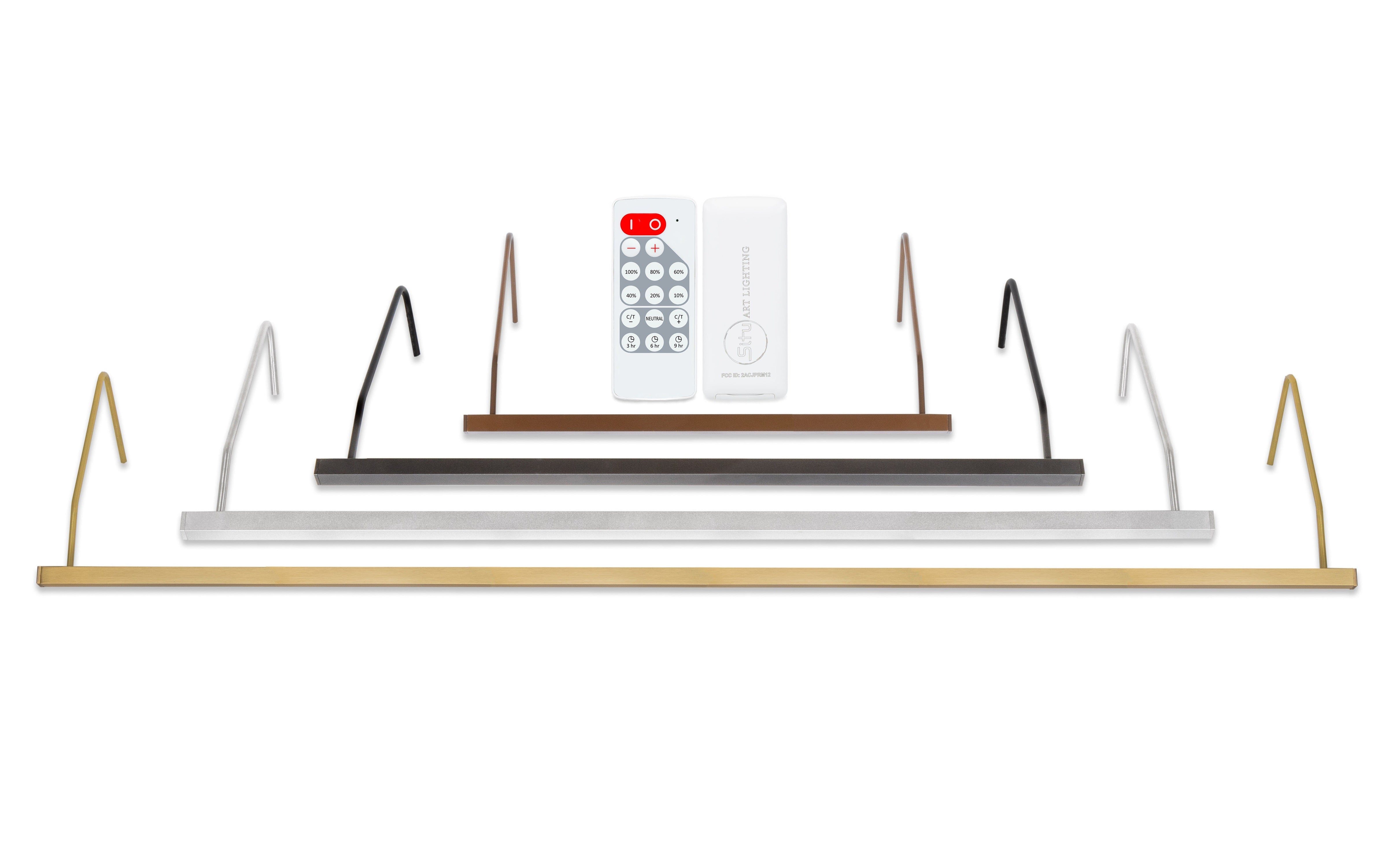
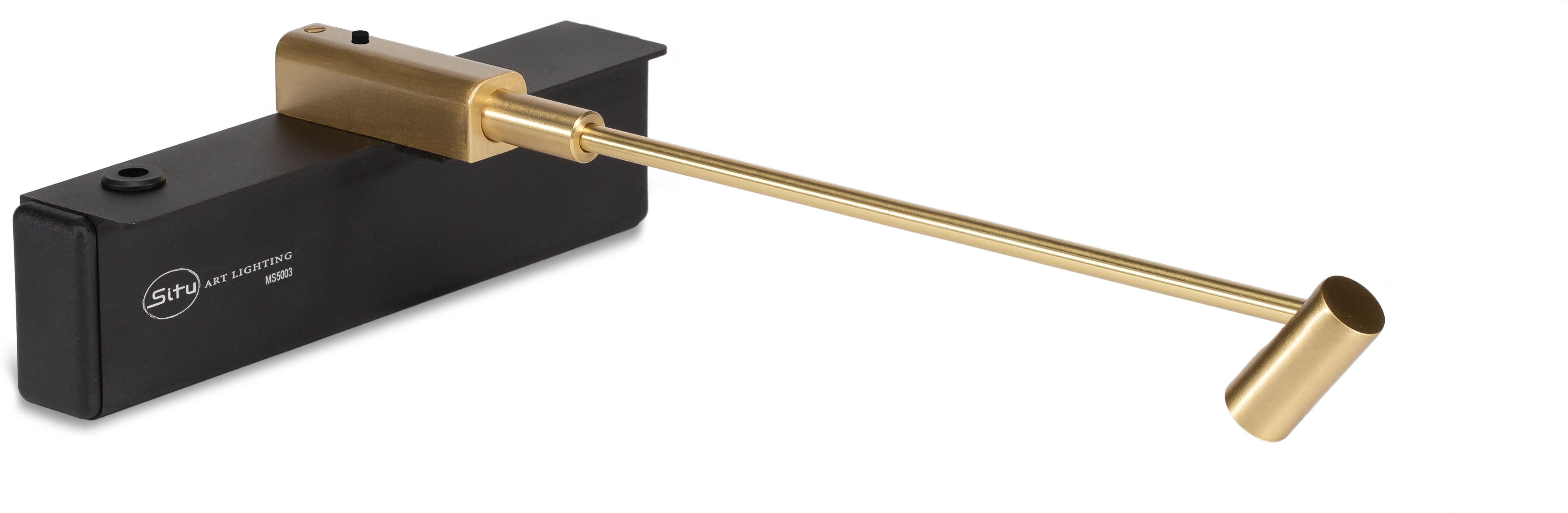
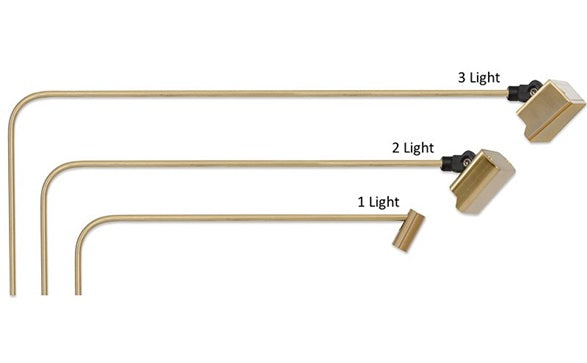
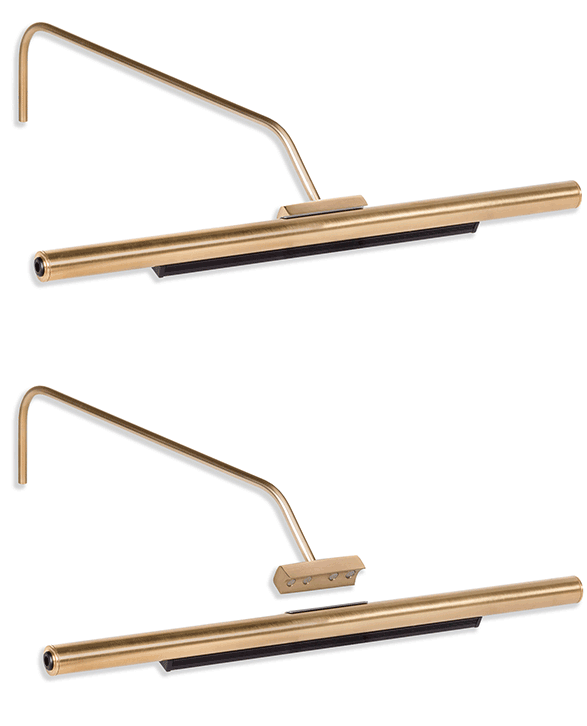
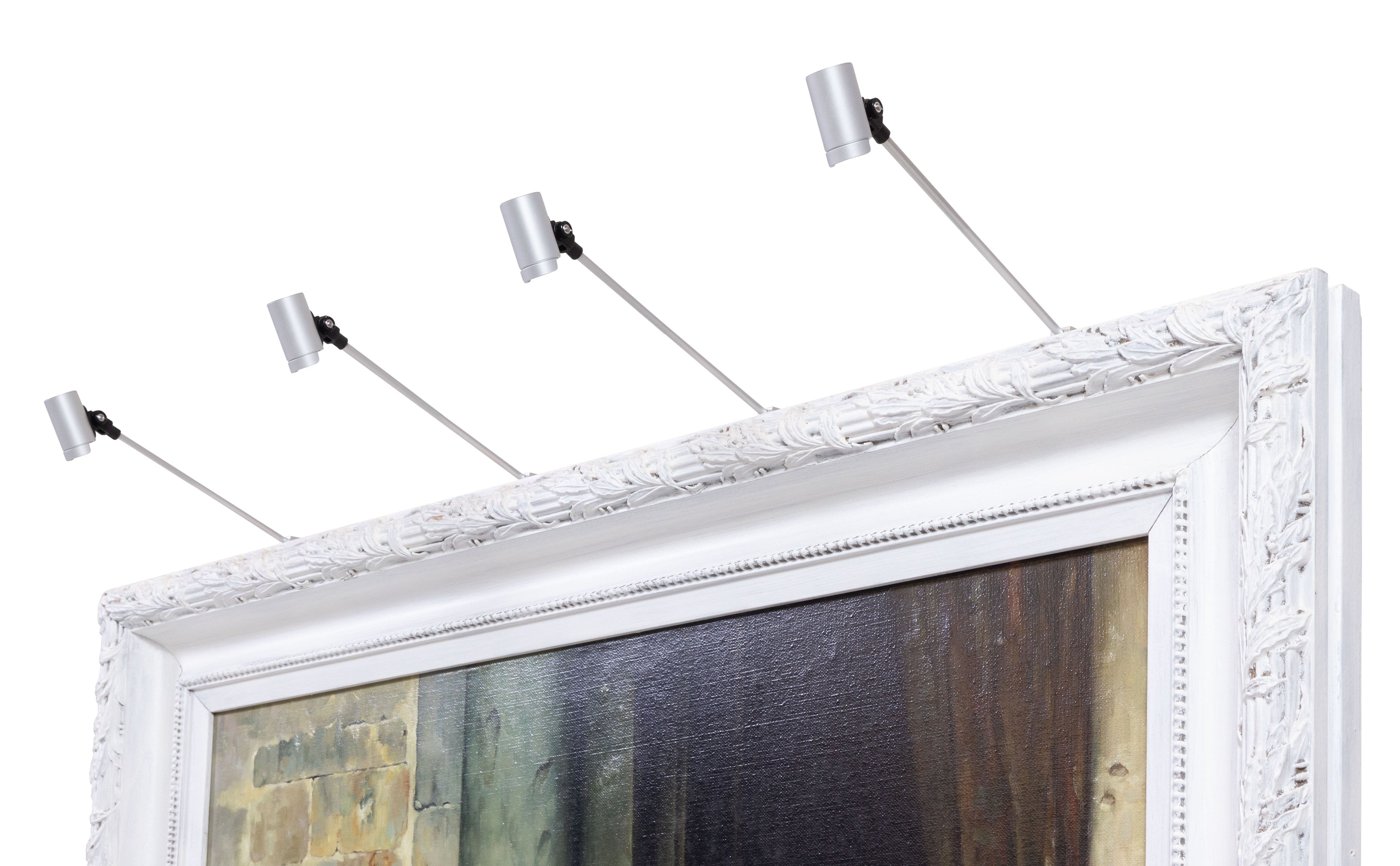
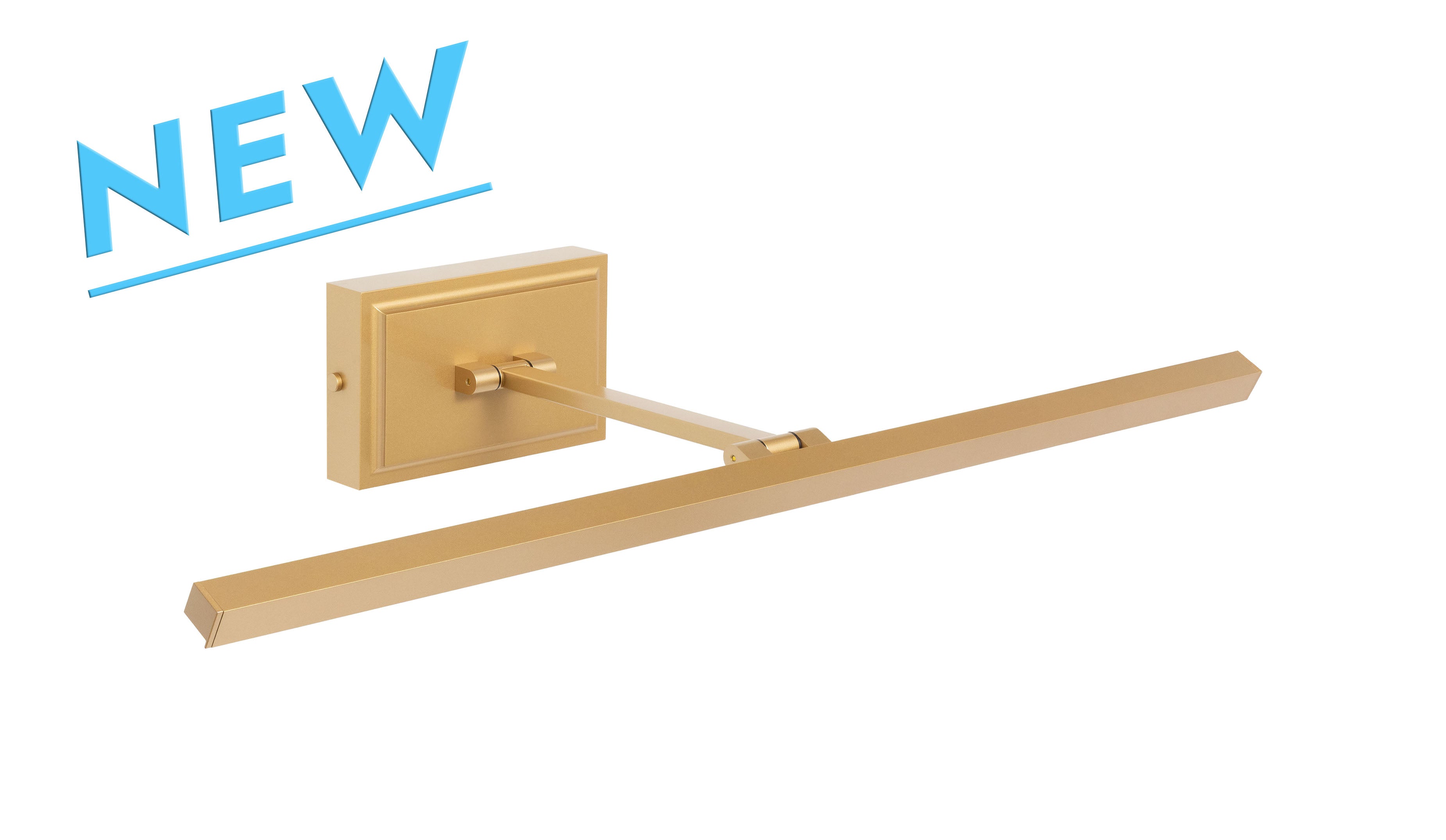
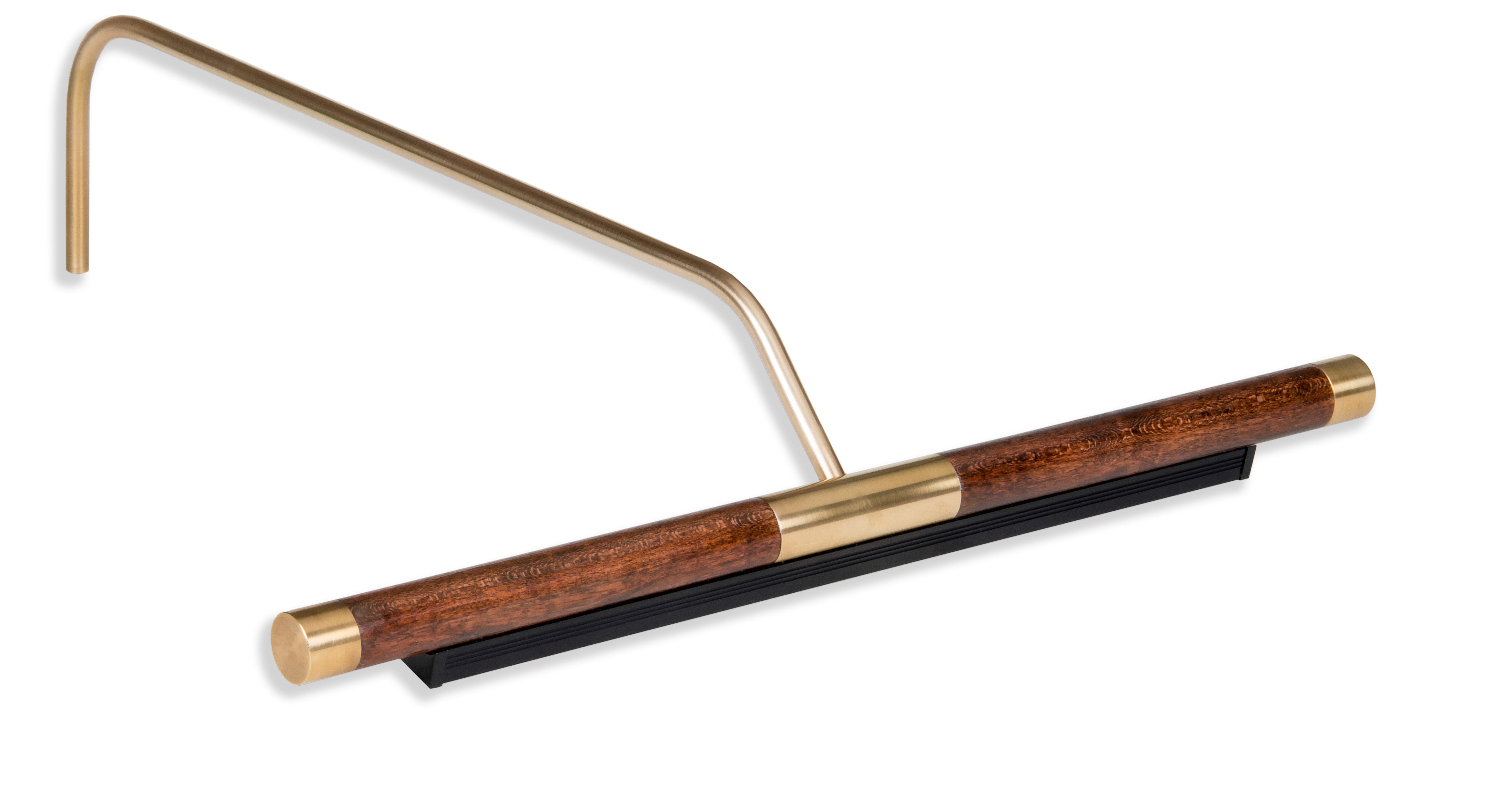
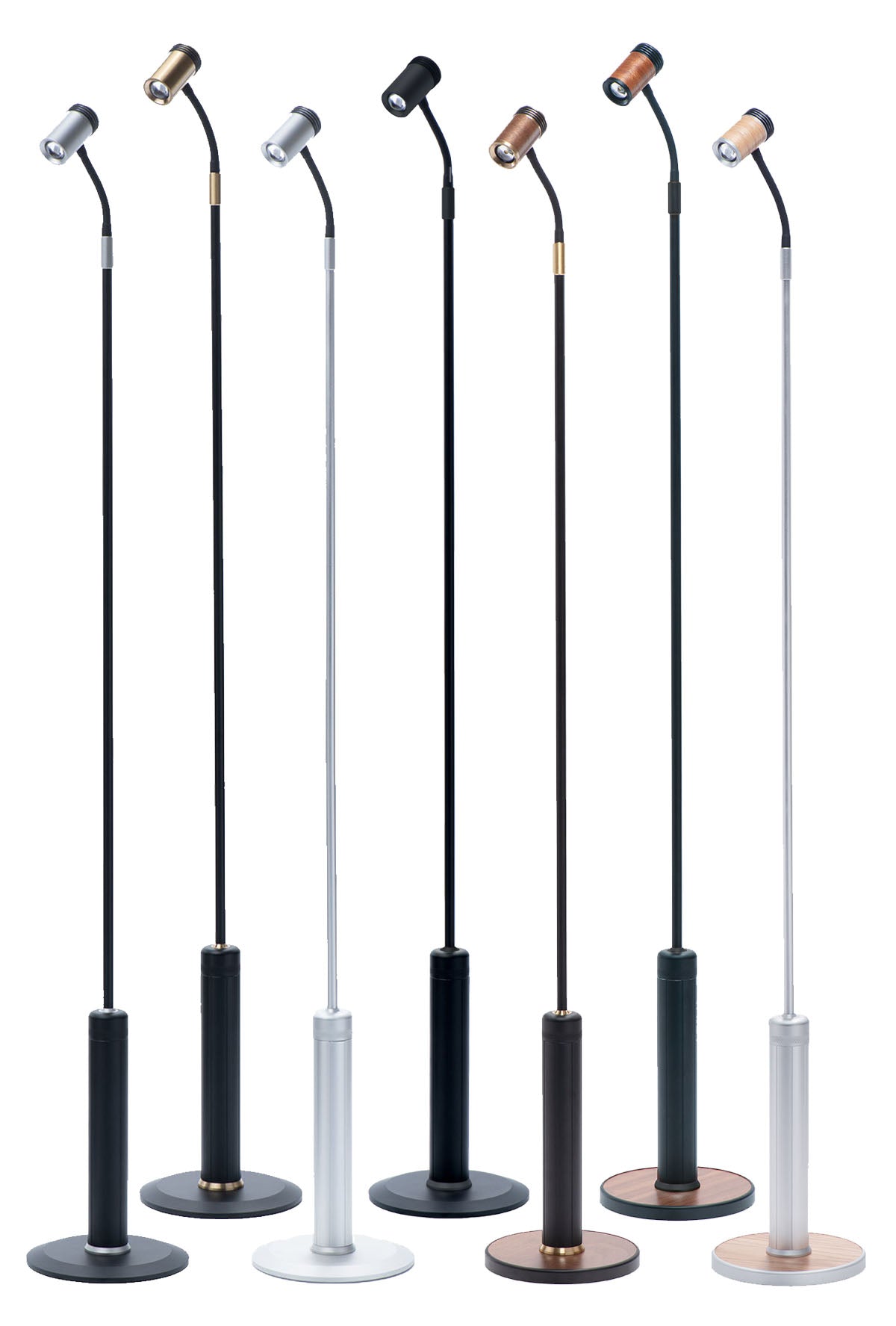
Purpose-built picture lights direct illumination exactly where it is needed. They render color accurately, reveal surface texture, and allow collectors to control how a piece reads from across the room and up close. High-CRI sources at 93 or above show artwork as the artist intended. Lower-rated sources distort color in ways that are subtle but cumulative, flattening tonal complexity that makes a piece worth collecting. Dedicated art lighting also reduces UV output and heat compared to older technologies, which matters for preservation as much as presentation. For collectors who want installation flexibility without the constraint of outlet placement, wireless picture lighting removes that limitation entirely without compromising optical quality or color rendering.
Balance the Surrounding Decor
Everything surrounding the artwork should support it rather than compete with it. Busy wallpaper, oversized mirrors, bold shelving, and numerous accessories divide visual attention. Simplifying nearby decor allows the artwork to maintain its prominence.
Furniture arrangement plays a role as well. Positioning seating so guests naturally face the artwork encourages them to spend time with it. Conversation areas that direct attention toward the focal piece integrate it into the room’s experience rather than leaving it in the background.
Think Beyond the Living Room
Nearly every room benefits from a carefully chosen focal artwork. Dining rooms gain sophistication from paintings that hold attention during evening meals. Bedrooms become more personal when artwork anchors the wall above the headboard. Entryways create memorable first impressions through displayed fine art.
Home offices become more resolved with artwork positioned behind the desk or opposite primary seating. Stair landings and wide hallways offer opportunities for statement pieces that would overwhelm a smaller space. The same principles apply regardless of room size. Considered placement, balanced scale, surrounding simplicity, and quality lighting all work together to give artwork the presence it deserves.
Avoid Competing Focal Points
One more effective way to use artwork as a focal point in any room is to avoid competing with another focal point. Every room benefits from visual hierarchy. When several bold elements compete equally for attention, the space feels unsettled. Large televisions, oversized mirrors, dramatic shelving, and multiple colorful artworks all pull the eye in different directions simultaneously.
Deciding which element deserves primary attention is a design decision, not an accident. If artwork is the focal point, surrounding features should support that decision. Neutral furnishings and calibrated lighting create a quieter environment where the artwork naturally stands out.
That restraint produces interiors that feel more refined over time. The most memorable rooms succeed because every decision supports a clear visual destination. Artwork fills that role better than almost anything else. If you are working through these decisions for a specific piece or a collection and would benefit from a specialist’s perspective, our team is here to help. Thousands of collectors, designers, and institutions trust us to get it right.