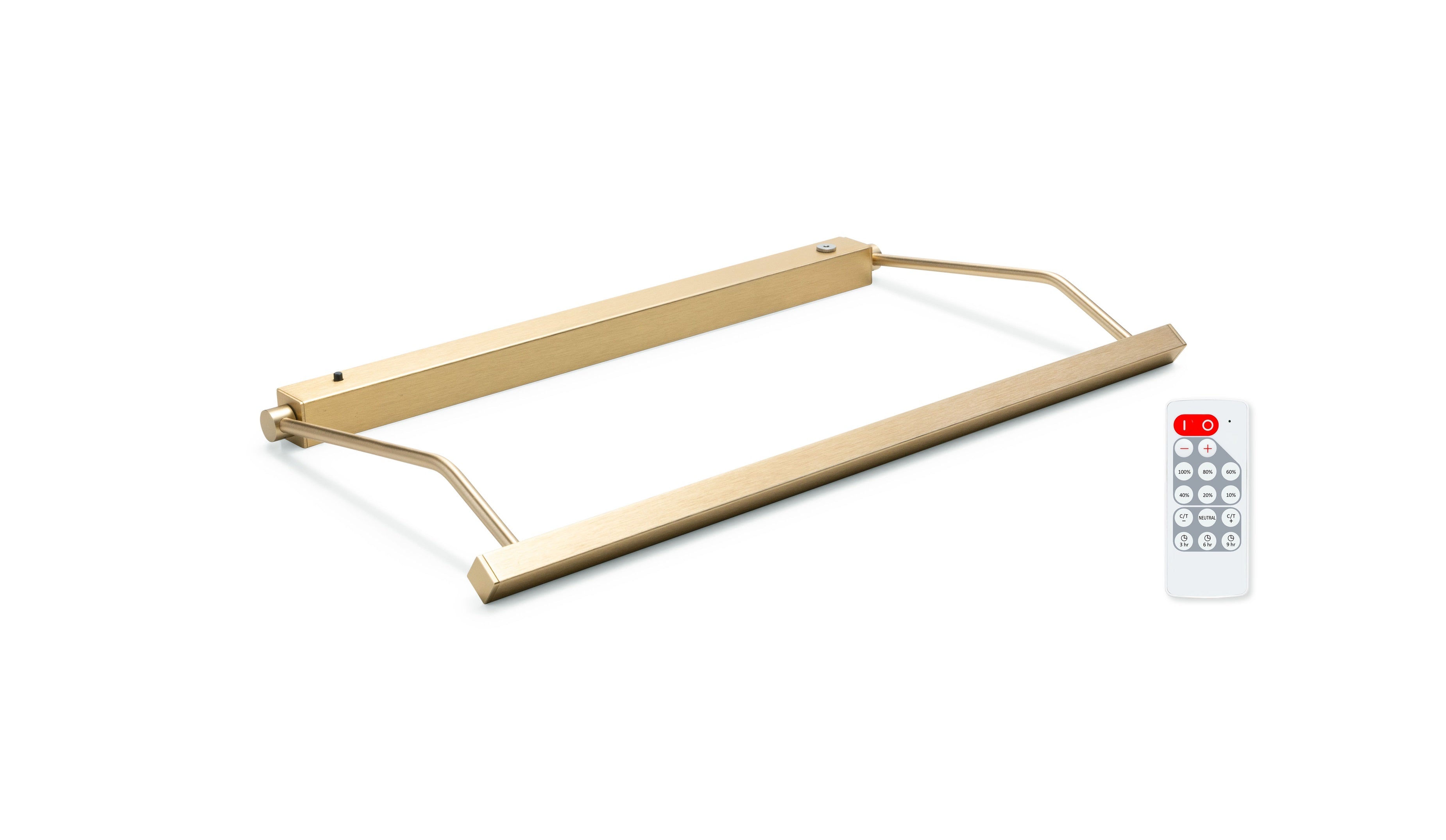
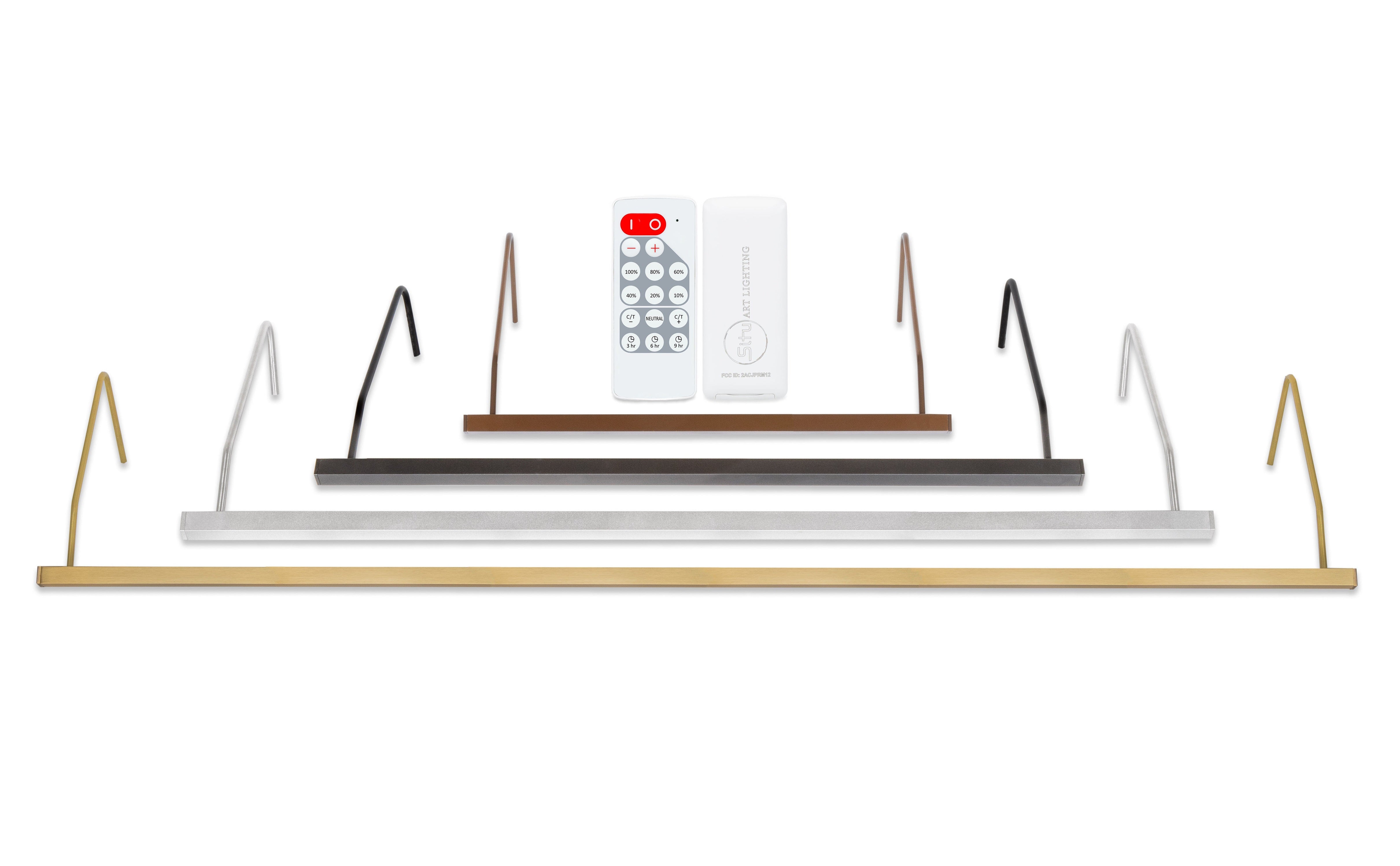
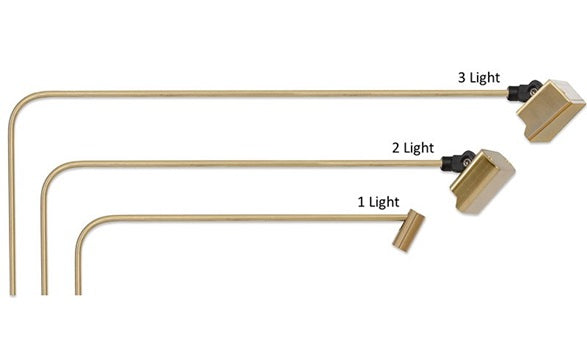
Most artwork is displayed under general room lighting that was designed for other purposes. Recessed downlights, ceiling fixtures, and table lamps illuminate the space around a painting rather than the painting itself. The work is visible, but it is not seen. Colors appear flatter than they are, tonal relationships compress, surface texture reads as uniform, and the piece fails to command the room the way it does under appropriate light. This is not a problem with the artwork. It is a problem with the light source. Dedicated LED art lighting changes that, and the difference is apparent immediately.
Color Is the First Thing That Changes
The most immediate effect of proper art lighting is on color. General room lighting sources are not designed to render the full visible spectrum accurately. They work adequately for human vision in most contexts, but they suppress portions of the spectrum in ways that flatten the chromatic complexity of artwork. A painting with subtle chromatic relationships across its shadows and midtones may lose some of those distinctions under a low-CRI source.
Purpose-built LED art lighting is specified at 93 CRI or above precisely because those distinctions matter. CRI measures how accurately a light source renders the full visible spectrum relative to a reference illuminant. At 93 and above, the chromatic relationships within a composition read with the accuracy the work deserves. High-CRI dedicated lighting does not change the painting. It removes a filter between the work and the viewer.
Surface Texture Becomes Readable
Oil paintings carry significant surface information that general lighting fails to reveal. Brushwork, impasto relief, palette knife passages, and the directional character of individual marks are all part of what an artist puts into a canvas. These elements are readable under a source that delivers light at an angle appropriate to the surface. They flatten under diffuse overhead illumination that washes across the canvas from directly above.
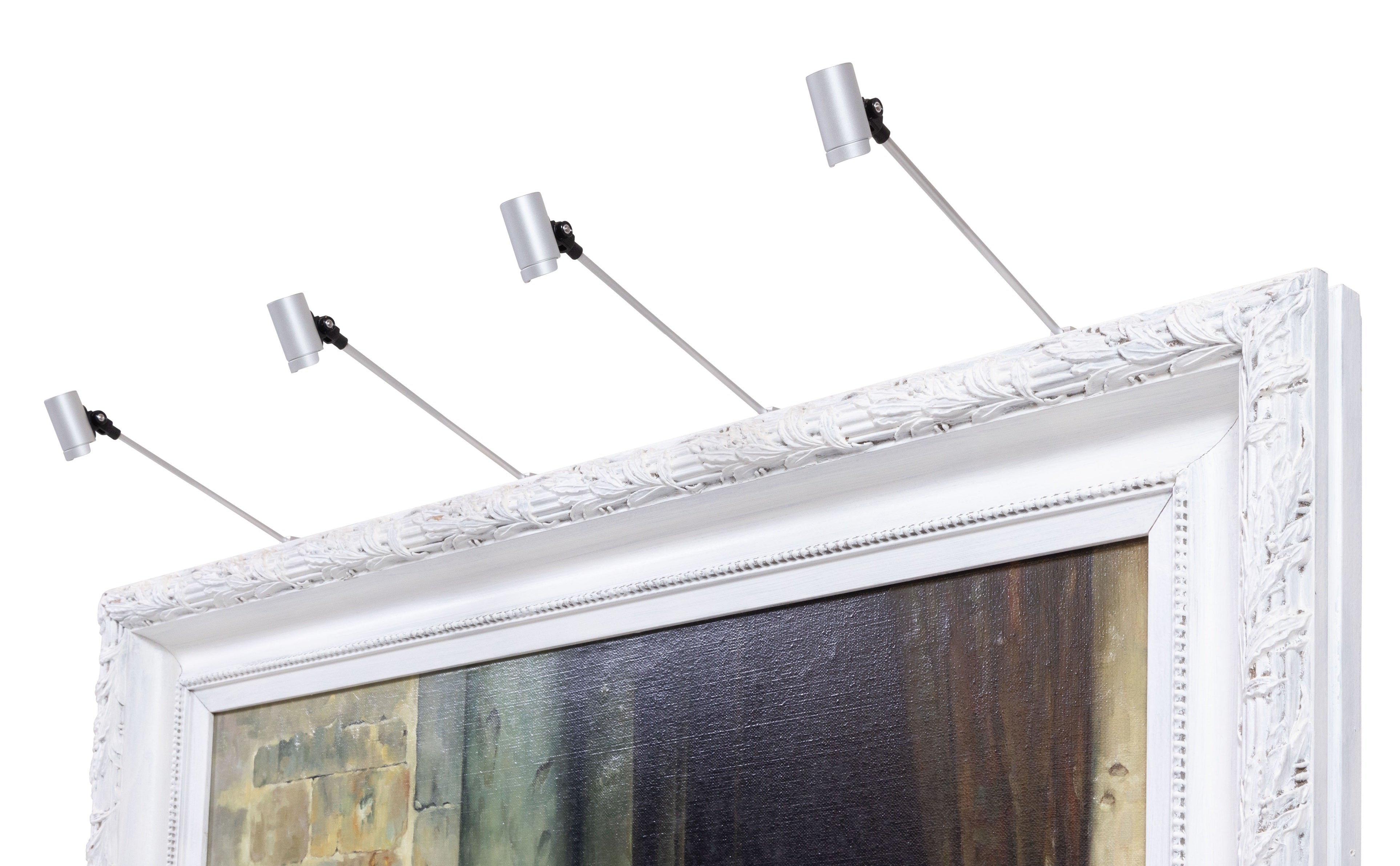
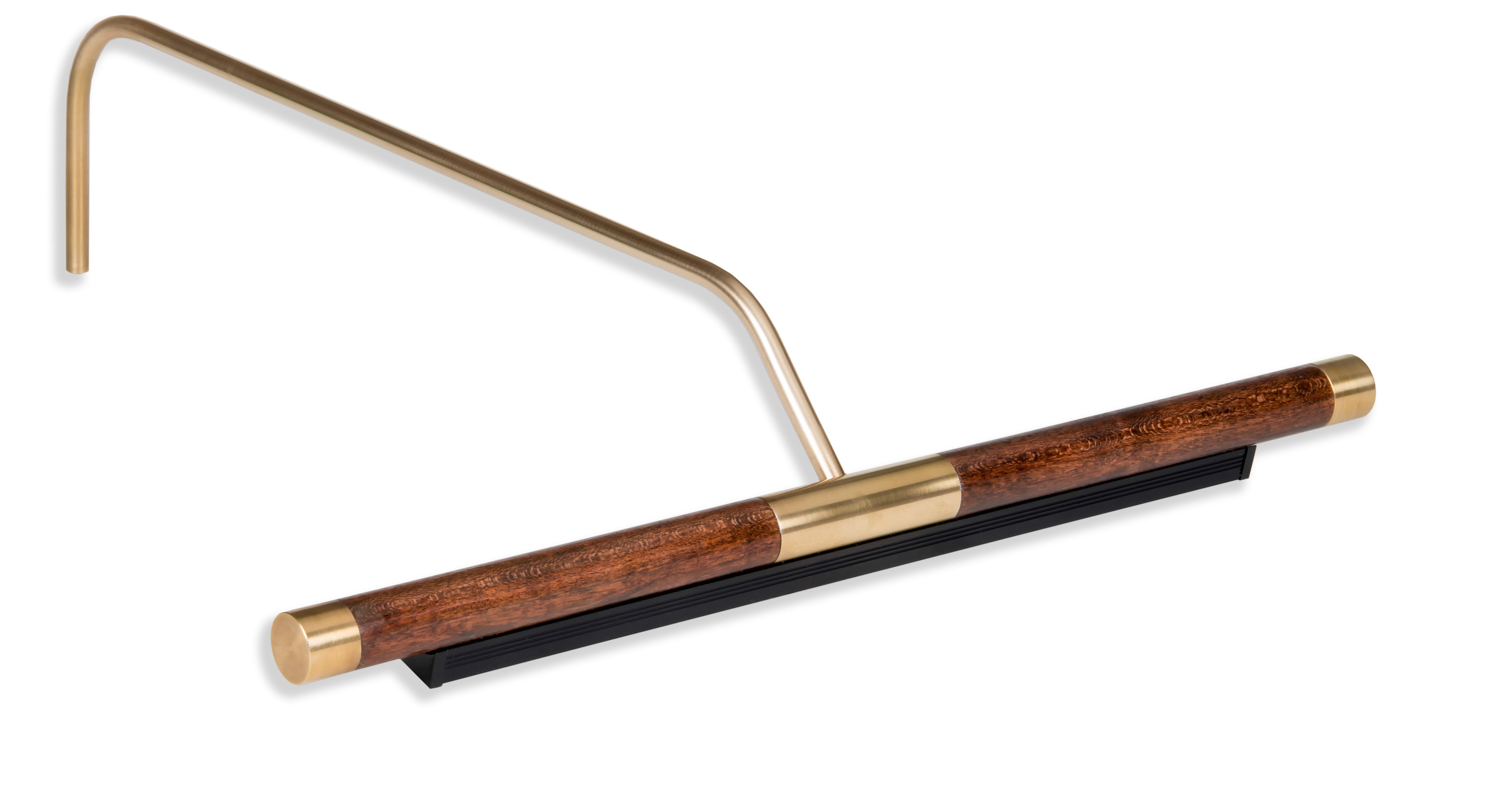
A dedicated picture light mounted above the frame delivers light at an angle that allows the surface topography of the painting to cast small shadows and reveal its dimensionality. This is not a dramatic effect. It is a subtle one, and that subtlety is precisely the point. The work reads as more resolved, more present, more alive under light that engages with its surface rather than simply illuminating it from a distance.
The Artwork Becomes a Visual Destination
A well-lit piece of artwork changes the visual hierarchy of a room. Without dedicated lighting, a painting competes with every other element in the space for the viewer's attention. With it, the hierarchy resolves. The artwork is where the eye goes first, and the room organizes itself around that destination. This is the condition that galleries and museums engineer deliberately. It is achievable in a residential or institutional setting with the same basic approach: a source calibrated to the work, positioned correctly, and separated from the ambient light environment.
The contrast between the illuminated surface of the painting and the relatively unlit wall around it is what creates this effect. General room lighting illuminates everything at roughly the same level. Dedicated art lighting creates a zone of higher illuminance at the artwork, which the eye reads as primary. The surrounding space does not need to be dark. It simply needs to be less bright than the work itself.
How Much Brighter the Artwork Should Be
The luminance contrast between artwork and ambient light is what creates a focal point without making the work feel artificially staged. Museum and gallery practice has long used a ratio of 3:1 to 5:1, meaning the artwork surface reads three to five times brighter than the surrounding wall. In practice, we find the upper end of that range much too bright for residential and commercial settings and instead recommend 2:1 to 3:1. It is enough contrast for the eye to resolve the artwork as the primary element in the room, but not so much that the piece appears to be lit for retail display. Above 3:1, the effect starts to read as theatrical rather than considered.
Achieving 2:1 does not require dim surroundings. A room lit to a comfortable 50 foot-candles at eye level needs approximately 100 foot-candles at the canvas surface, which is well within the output range of a well-specified picture light. The practical implication is that the fixture output and its distance from the canvas both matter: a fixture positioned too far away will fail to reach the target ratio even at full output, while one positioned correctly delivers the ratio without pushing brightness to a level that stresses the work. CRI and brightness ratio together are the two variables that most determine whether artwork looks right in a room. One corrects the color; the other establishes the hierarchy.
Color Temperature Shapes How the Work Reads
Beyond CRI, the color temperature of the source shapes the overall reading of the work in ways that are easy to overlook until the mismatch becomes obvious. A source that is too cool pushes warm-toned paintings toward gray. Earth tones lose their depth, flesh tones lose their warmth, and the overall palette shifts in a direction the artist did not intend. A source that is too warm can muddy cool palettes, suppress blues and greens, and make photography read as artificially golden.
For most traditional oil paintings and works with warm palettes, a source in the 2700K to 3000K range is appropriate. For photography, contemporary work, and cooler palettes, 3000K to 3500K tends to serve better. Color-tunable fixtures that allow adjustment across the full range are available for collections that span multiple media and palettes. The best available options maintain 93+ CRI across the full tuning range, which means color accuracy is not compromised in exchange for flexibility.
Conservation Matters as Well as Presentation
The case for dedicated LED art lighting is not only about presentation. It is also about what the light source does to the work over time. Incandescent and halogen sources produce significant radiant heat directed at the canvas surface. Sustained heat cycling stresses canvas, panel, paper, and varnish, contributing to cracking, yellowing, and structural degradation over time. Those same sources also produce UV radiation, which accelerates the fading of pigments and dyes in ways that are gradual and largely invisible until the damage is done.
High-quality LED sources produce near-zero UV output and run substantially cooler than incandescent or halogen equivalents. For collectors with significant work on display, this is not a secondary consideration. The light source is the one element of the display environment that operates in direct proximity to the artwork for extended periods. Choosing a source that does not actively degrade what it illuminates is as much a conservation decision as a presentational one.
Installation Flexibility Has Expanded Considerably
One practical barrier to dedicated art lighting has historically been wiring. A hardwired fixture requires a junction box in the wall and professional installation. For collectors who rotate work, rent rather than own, or want to evaluate placement before committing, that constraint has been a genuine obstacle.
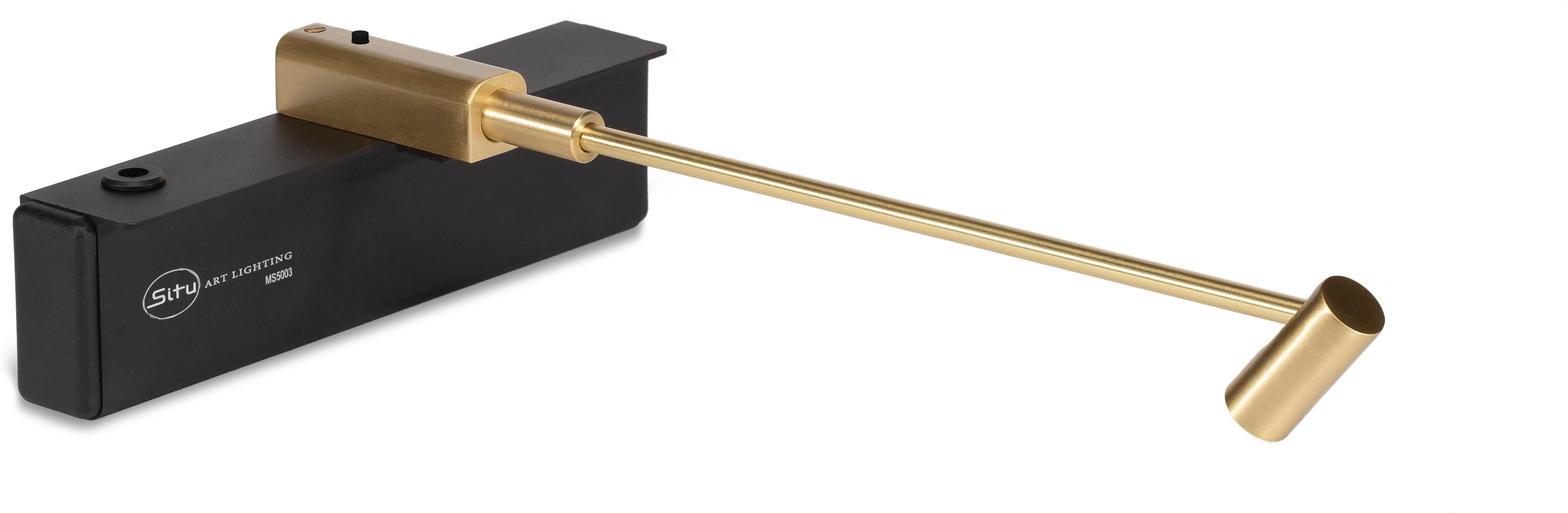
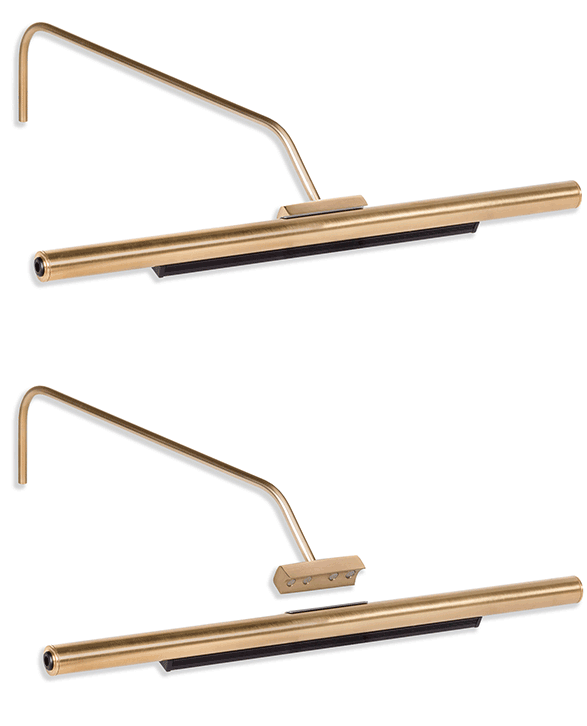
Wireless and rechargeable picture lights remove it entirely. A rechargeable fixture mounts on top or above the frame without any wiring, delivers the same high-CRI optical performance as a wired fixture, and can be repositioned as the collection or the room changes. For collections that rotate, for rooms that evolve, and for installations where running wire is impractical, the wireless format makes proper art lighting accessible in contexts where it previously was not.
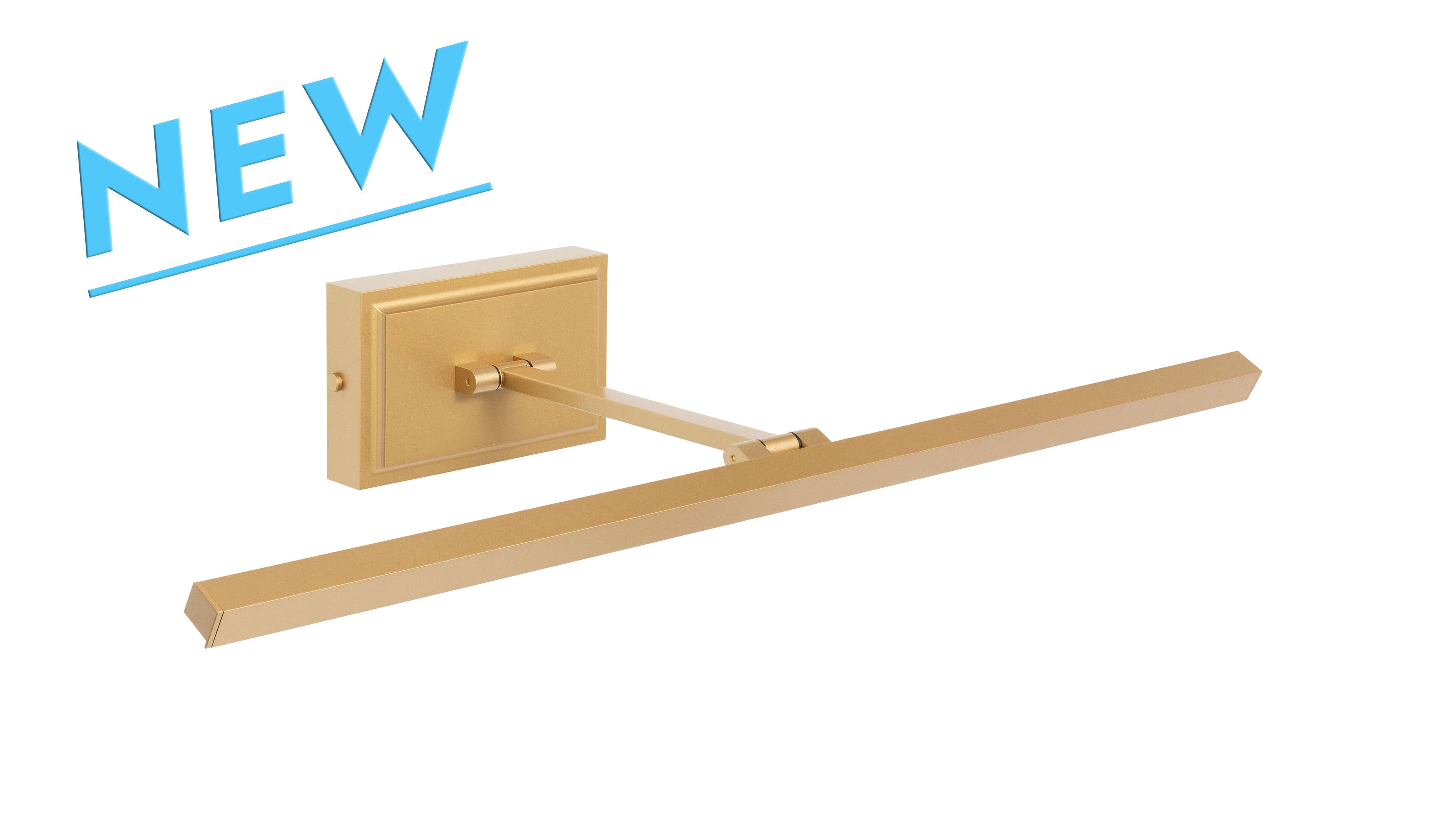
Plug-in fixtures are the most accessible starting point for most installations. They connect to a standard outlet and can be installed, swapped, or moved without an electrician. Hardwired fixtures are the right choice where wall dimmer control, smart home compatibility, or a permanent professional installation is the priority. The format is an installation decision. The optical performance is consistent across all three.
The Difference Is Not Subtle
There is a tendency to treat art lighting as a finishing touch, something to consider after the primary display decisions have been made. The experience of every collector who has moved from general room lighting to dedicated LED art lighting suggests the opposite. It is the decision that most changes how the artwork reads, how the room feels, and how the collection is experienced overall. The artwork does not change. The light source determines how much of it is actually visible.
If you are working through these decisions for a specific piece or a larger collection, our specialists are here to help. Share the details and we will identify the right LED art lighting for your space. Thousands of collectors, designers, and institutions trust us to get it right.